10.
Argust
Research and decks









VISION INTELLIGENCE · 2024
Argust
Turning ordinary CCTV into a clearer view of how people move, pause and choose.
00 · THE MANDATE
I shaped the product before there was a product to explain.
I led the research and business analysis behind Argust: defining the opportunity, mapping competitors, planning features, testing the proposition with potential clients and turning an early capability into something a buyer could understand.
The work covered the name, positioning, prototypes, sales conversations and the visual direction for a product video made for GITEX Dubai 2024.
THE PRODUCT-DEFINITION PATH
01 · RESEARCH BEFORE ROADMAP
The category was noisy.
The product needed a point of view.
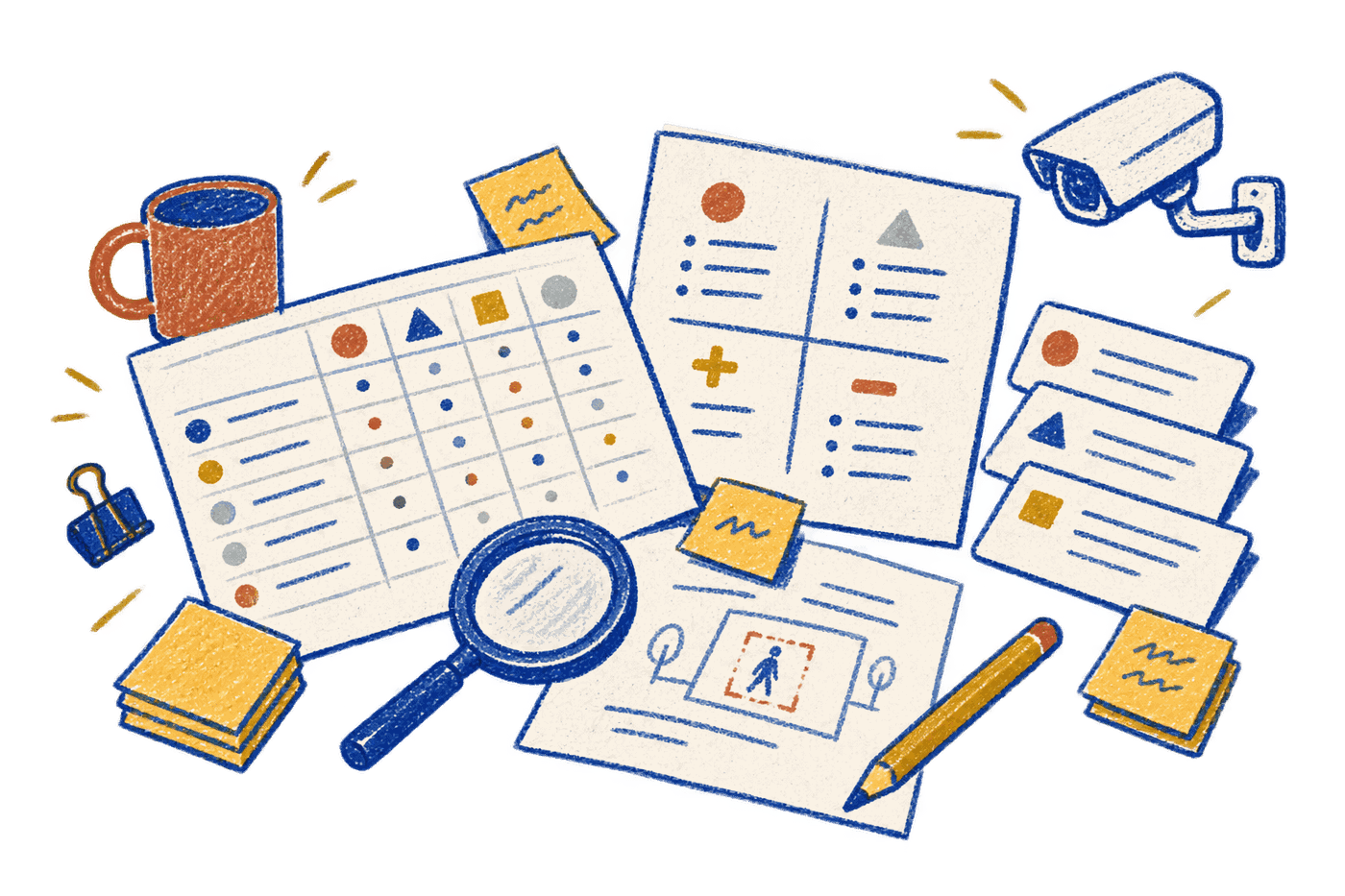
I started with a broad technical capability—computer vision on existing CCTV—and studied the category end to end: market direction, regional demand, adoption barriers, feature patterns and the distance between enterprise claims and buyer reality.
- Competitive and positioning analysis
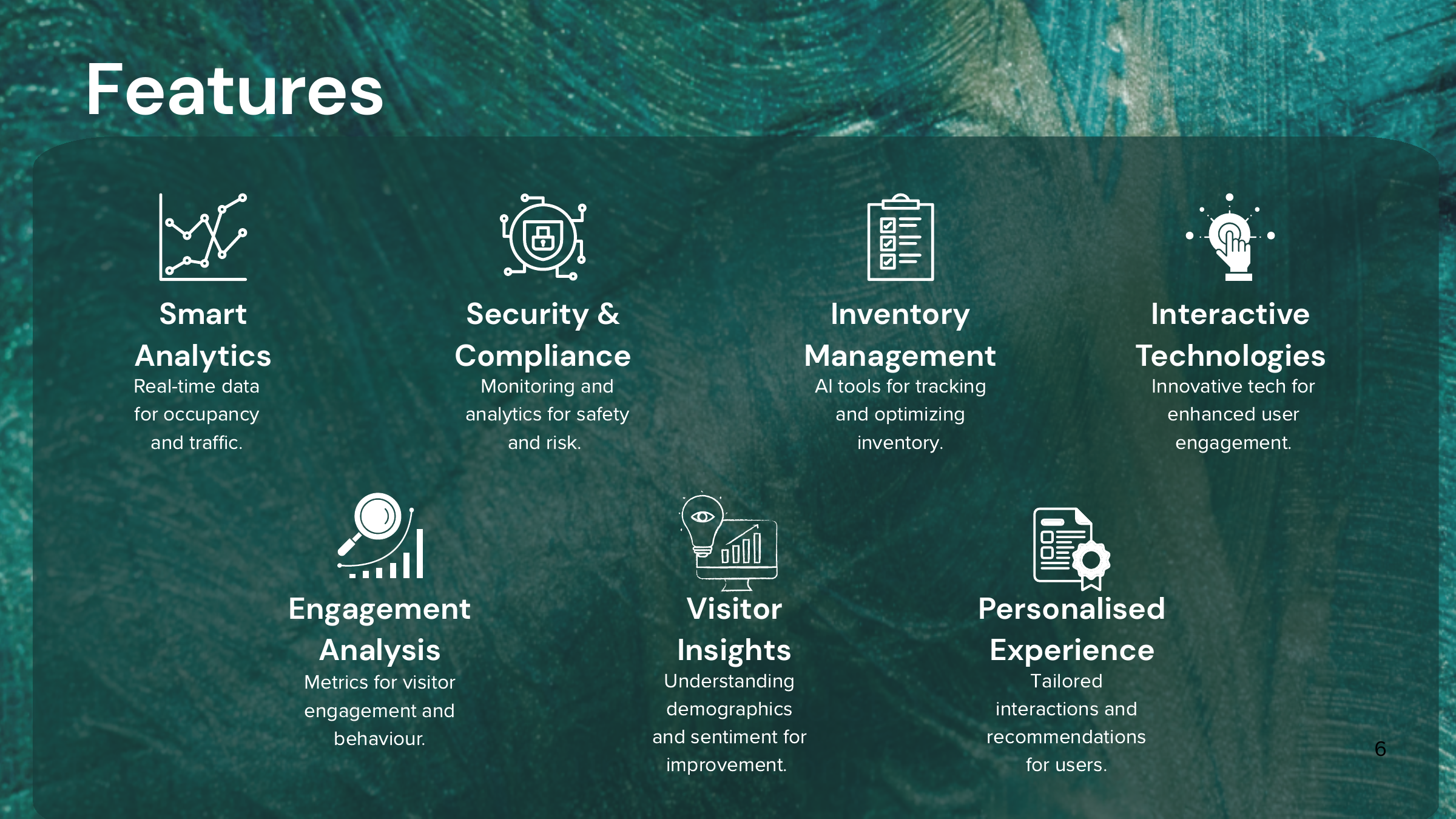
- Feature inventory and phased prioritisation
- SWOT and market-gap analysis
- Use-case mapping and buyer conversations

02 · THE PRODUCT THESIS
Use the cameras already there. Add the intelligence that was missing.
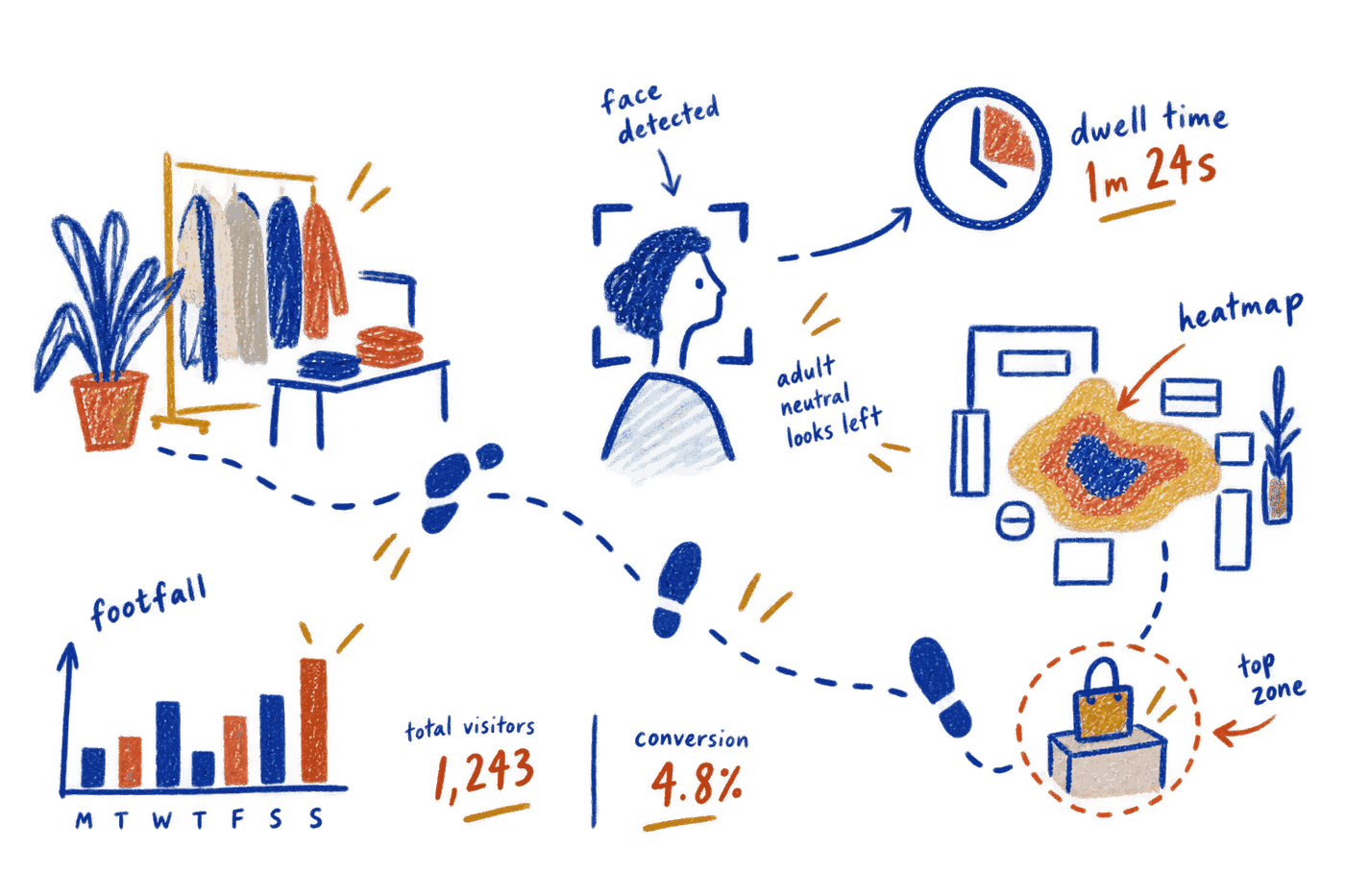
Argust was positioned as a hardware-agnostic intelligence layer for existing CCTV networks. Edge processing translated video into privacy-conscious operational signals instead of another wall of footage.

 dwell · 08:42 aisle 03 ↑
03 · A STORE THAT CAN READ THE ROOM
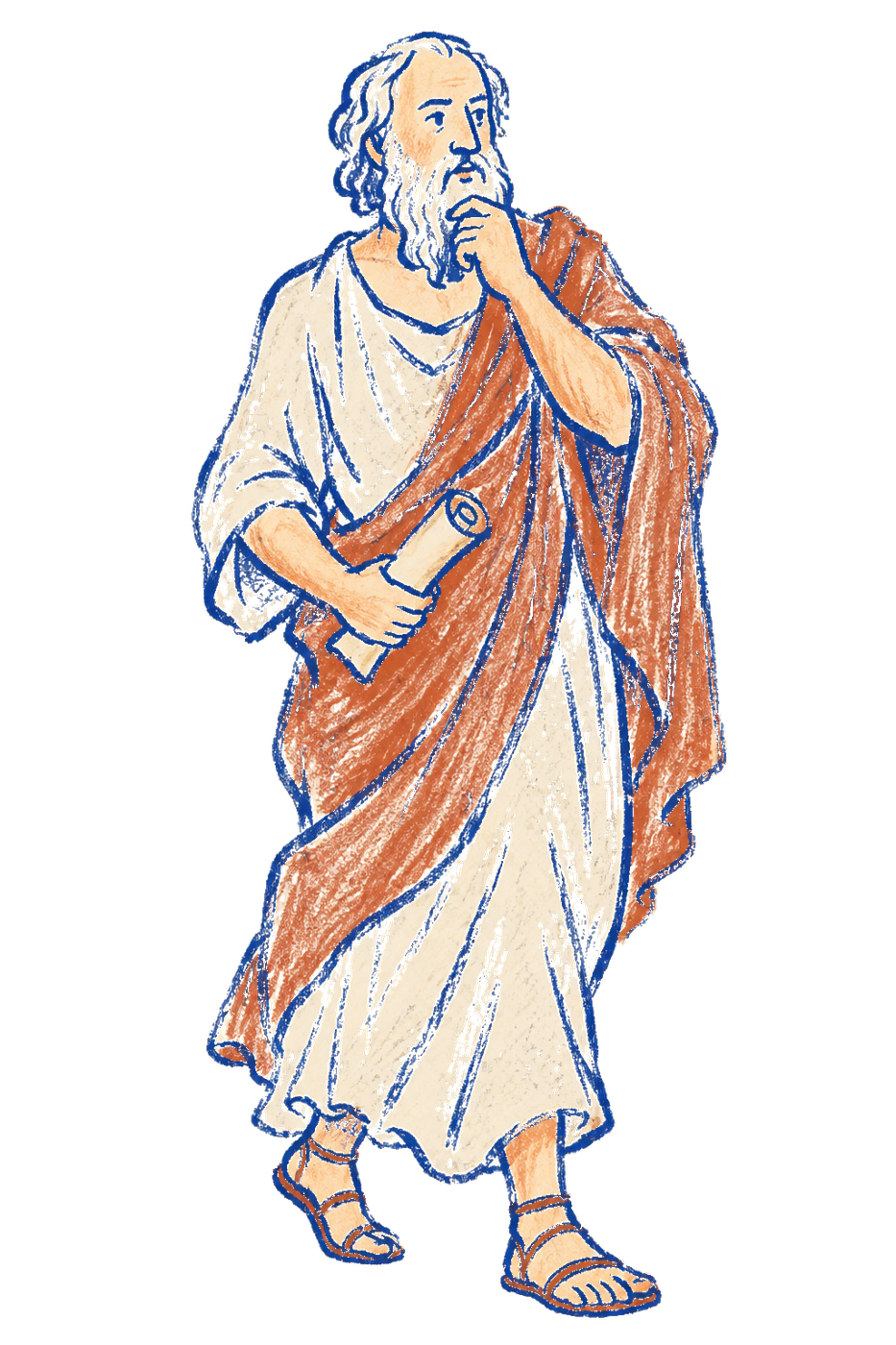
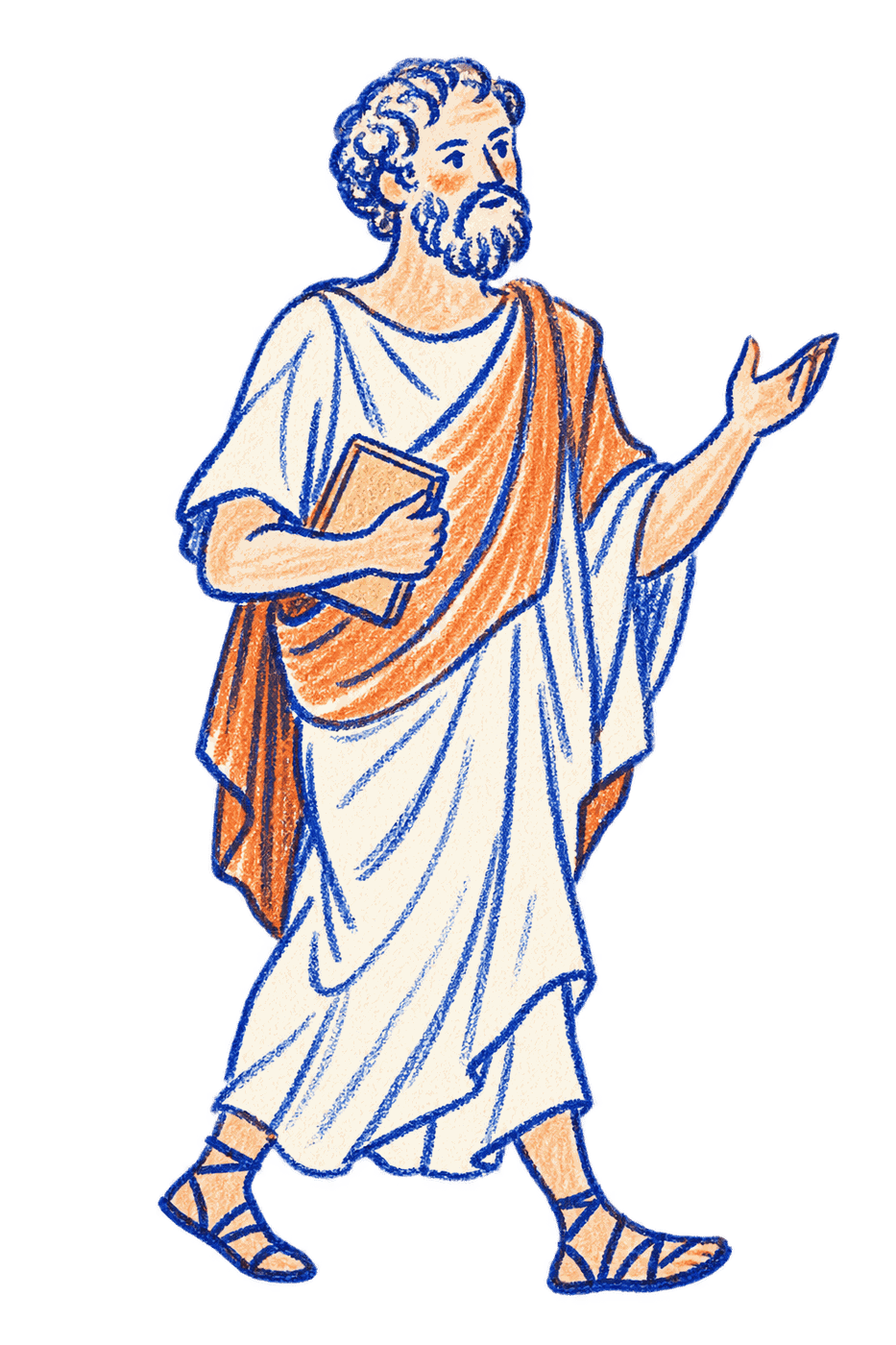
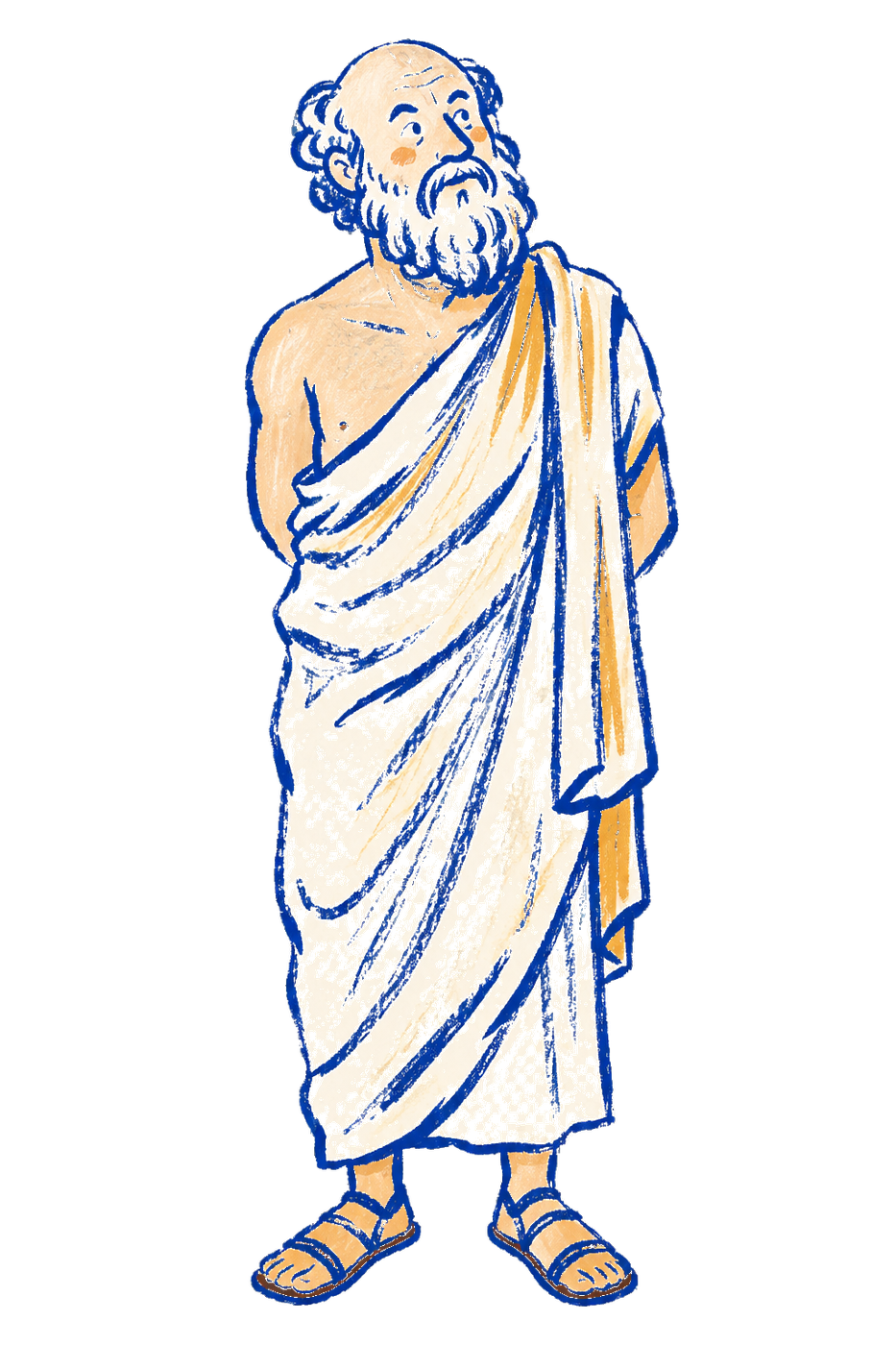
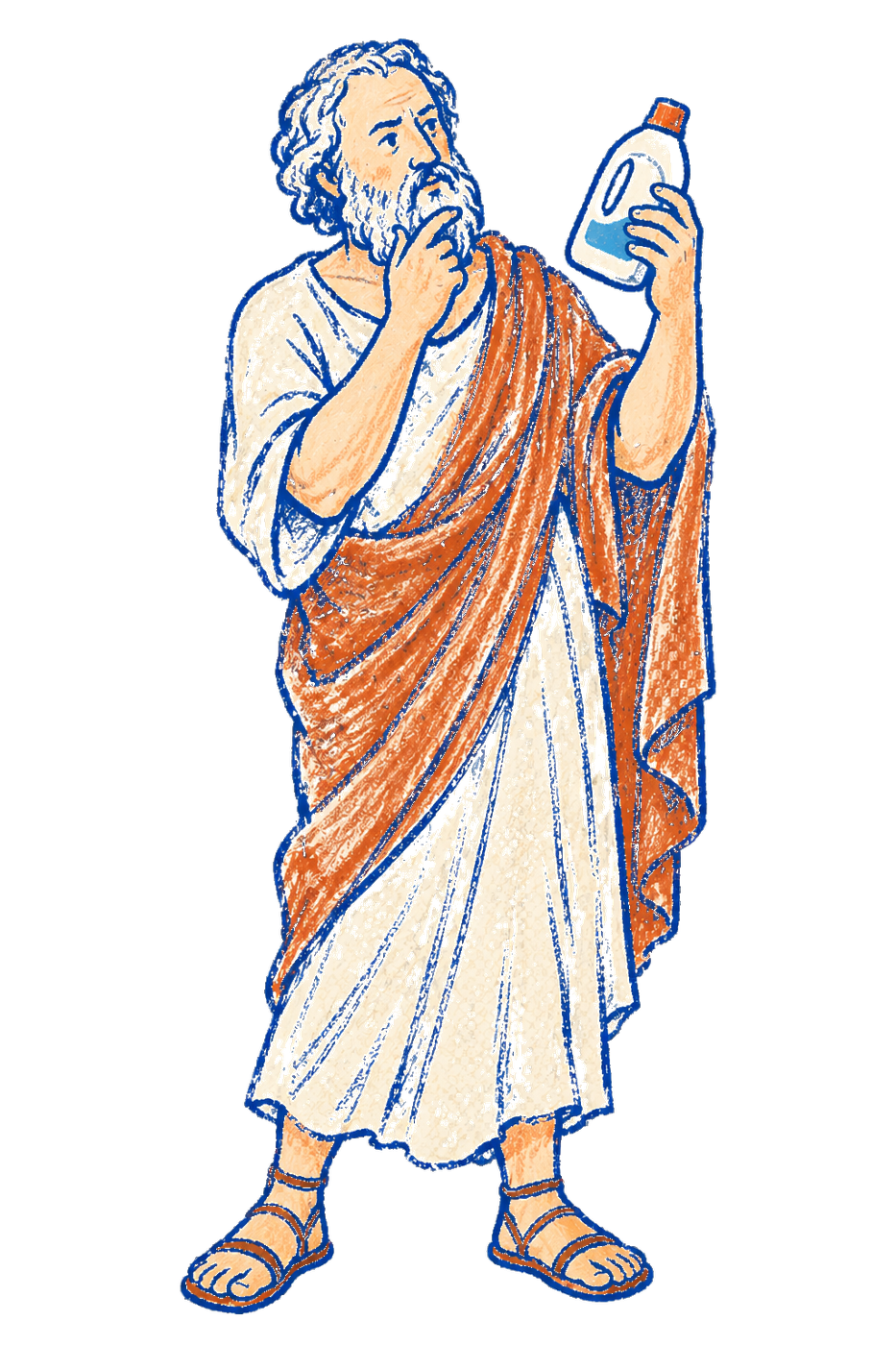
Plato enters. Aristotle pauses. Socrates takes the long way round.
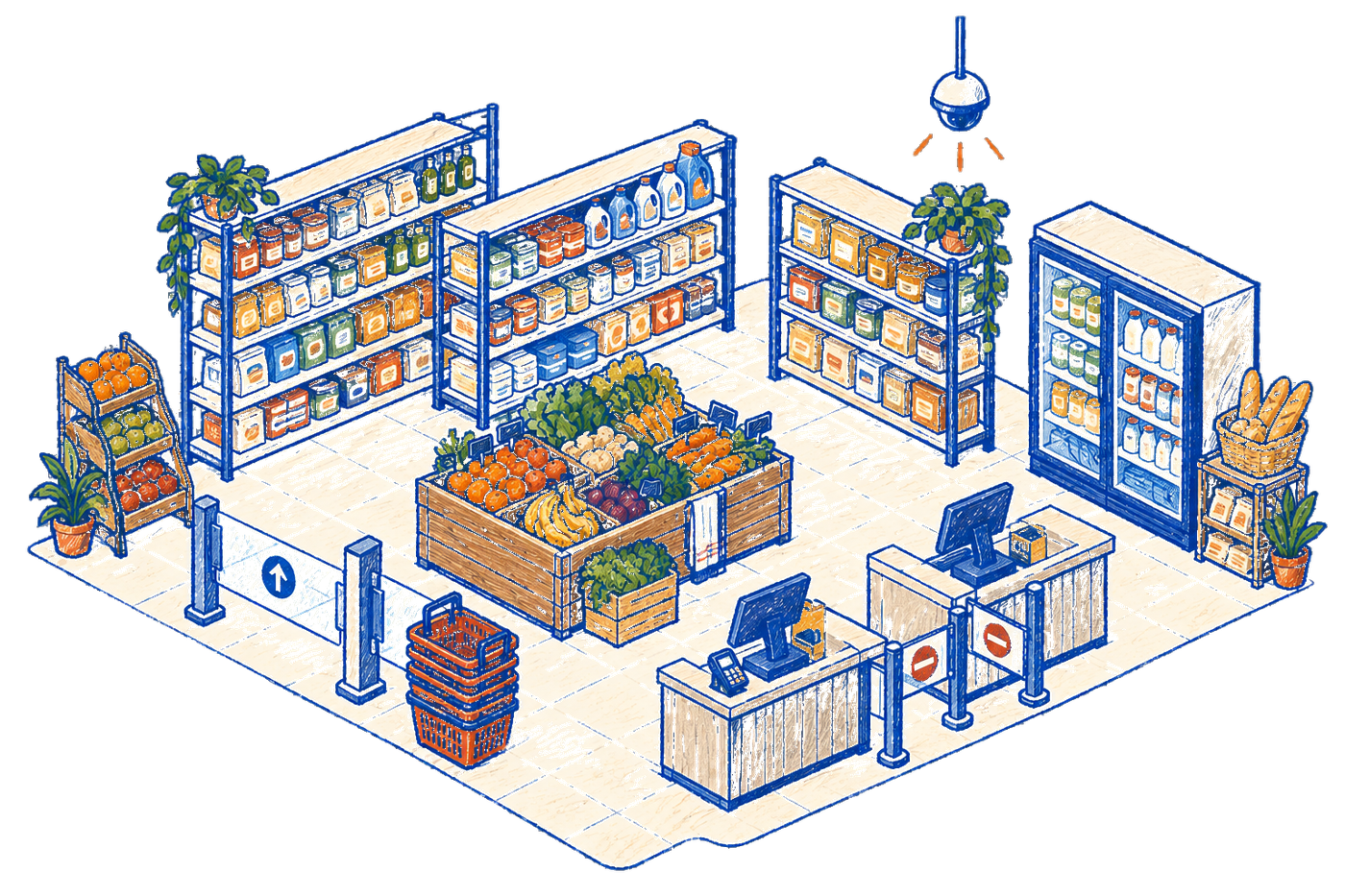
The historical cast is a visual joke; the questions are operational. Where do visitors enter? Which zone earns attention? When does a queue form? Where does browsing turn into buying?
Those observations could inform staffing, planograms, campaigns and store design without replacing human judgement.
04 · DWELL HAS CONTEXT
Homer is still at the café.
The Odyssey takes time.
A long visit can mean friction in one space and loyalty in another. I structured the use cases around context: table occupancy, service flow, repeat patterns and the relationship between time, place and intent.
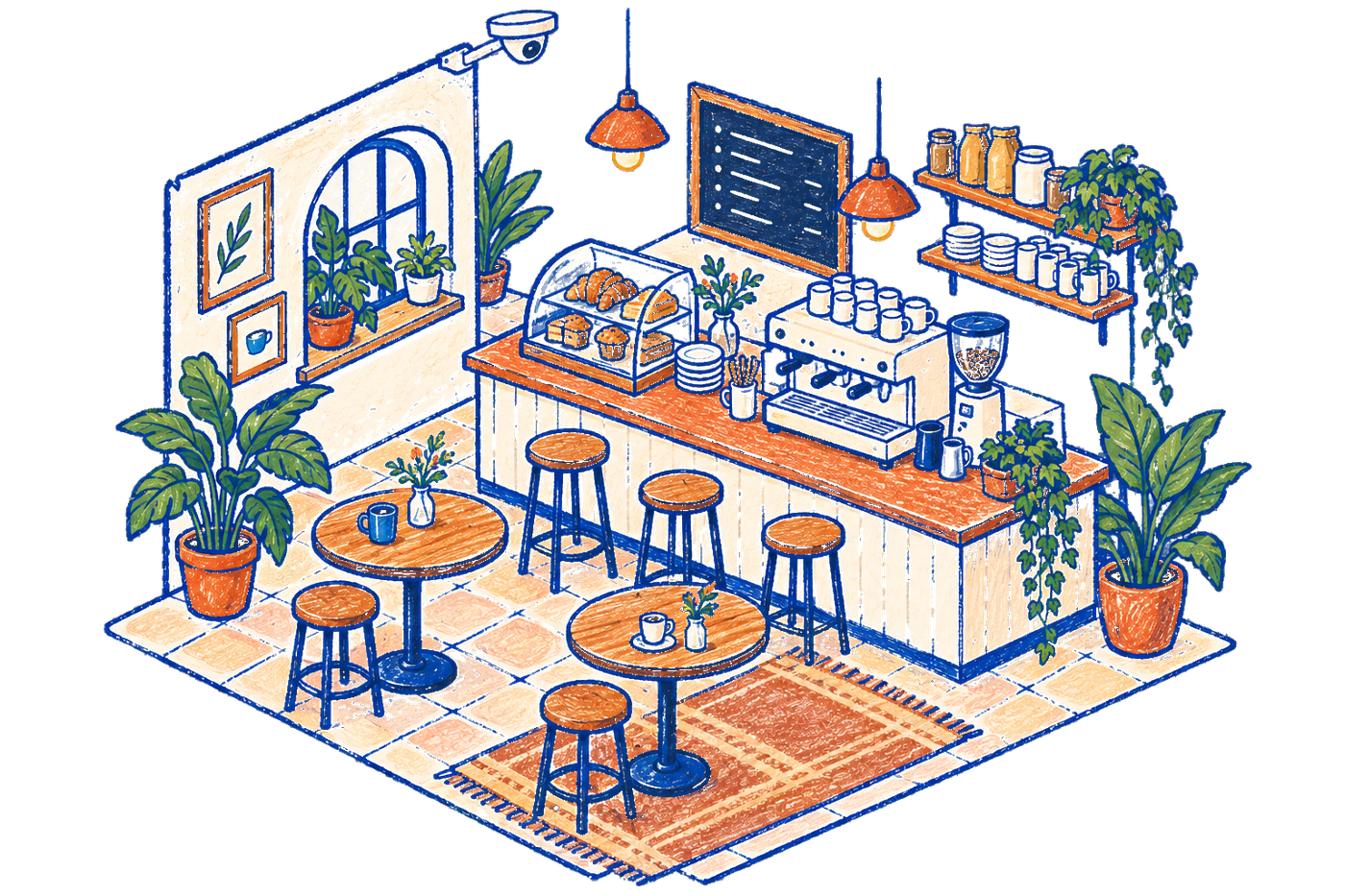
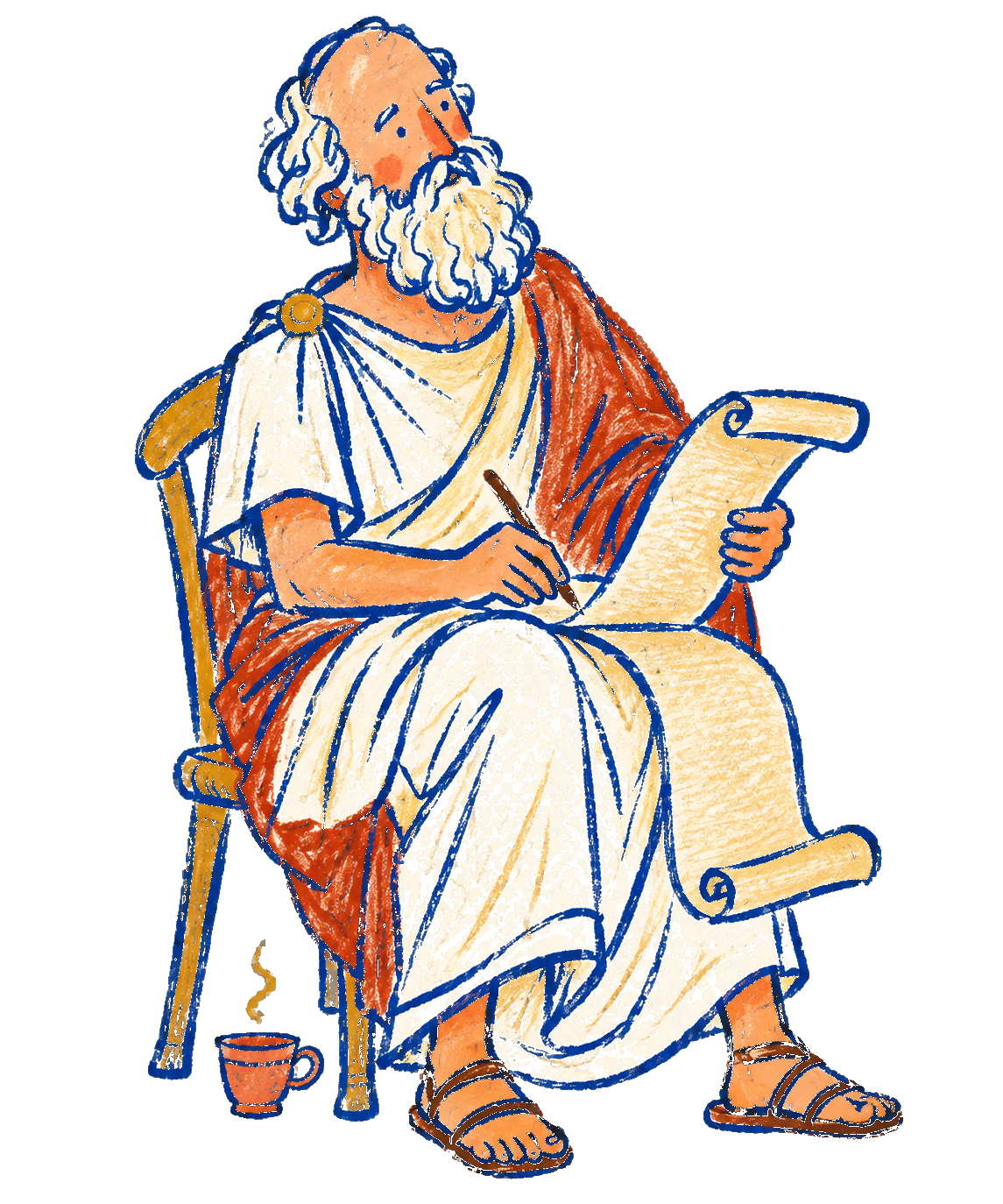 table 04 · returning
 stall 06 · +18%
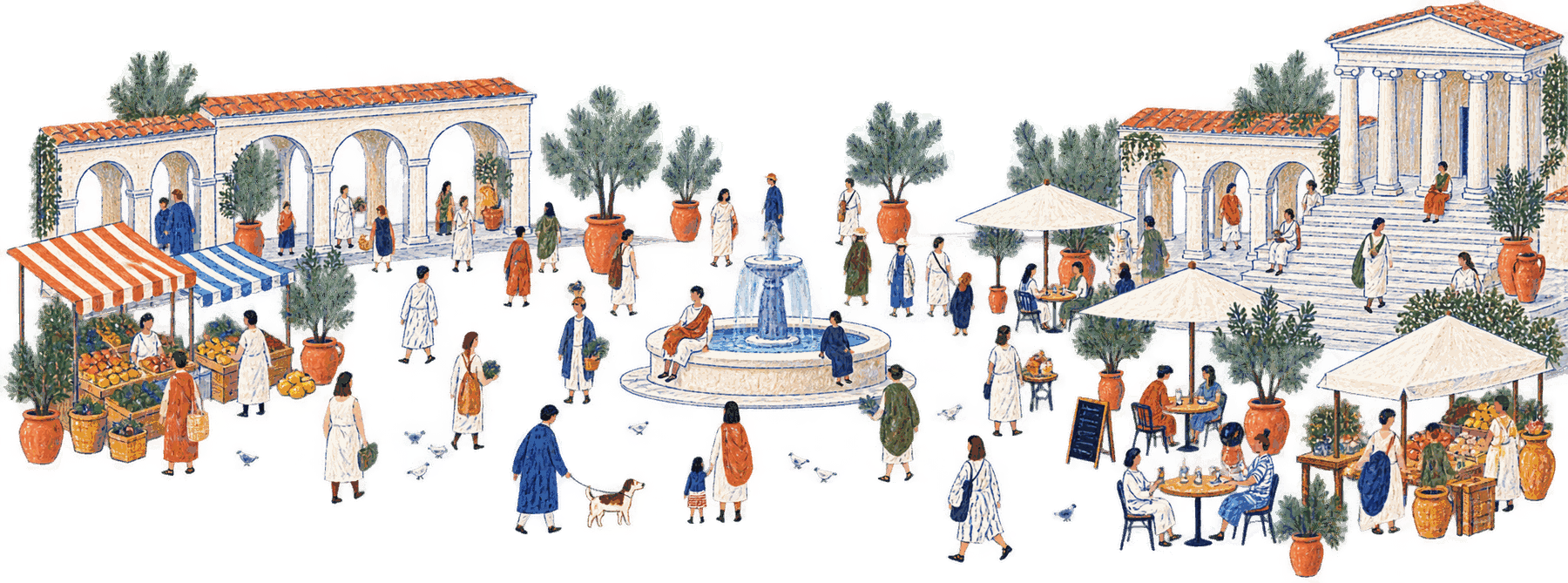
05 · FROM AISLE TO AGORA
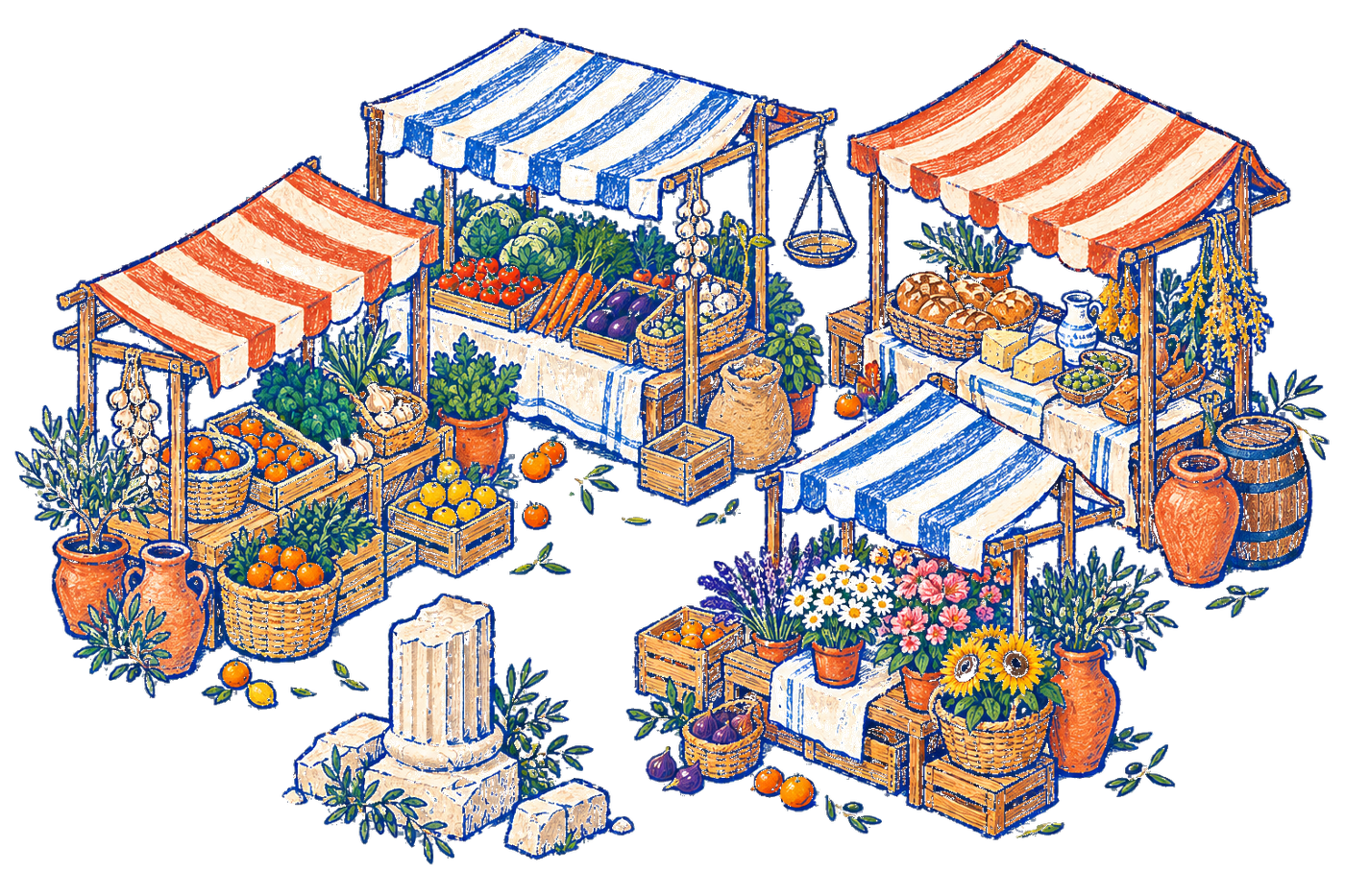
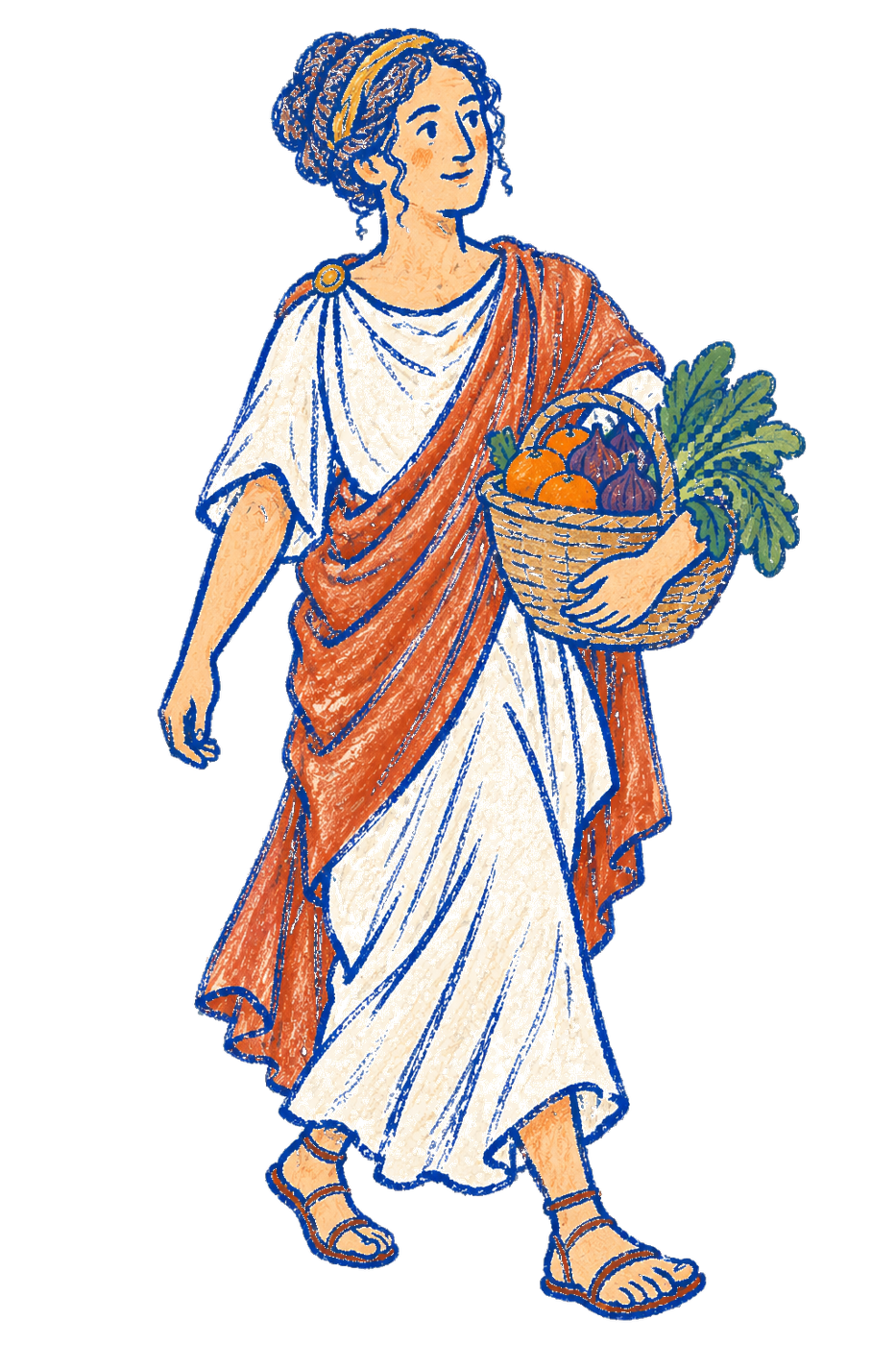
Hypatia follows the fruit, not the dashboard.
The model had to survive outside a perfect floor plan. Markets, cafés and hospitality spaces introduced looser paths, mixed zones and changing patterns—useful pressure tests for the product logic.
06 · HOSPITALITY, NOT SURVEILLANCE THEATRE
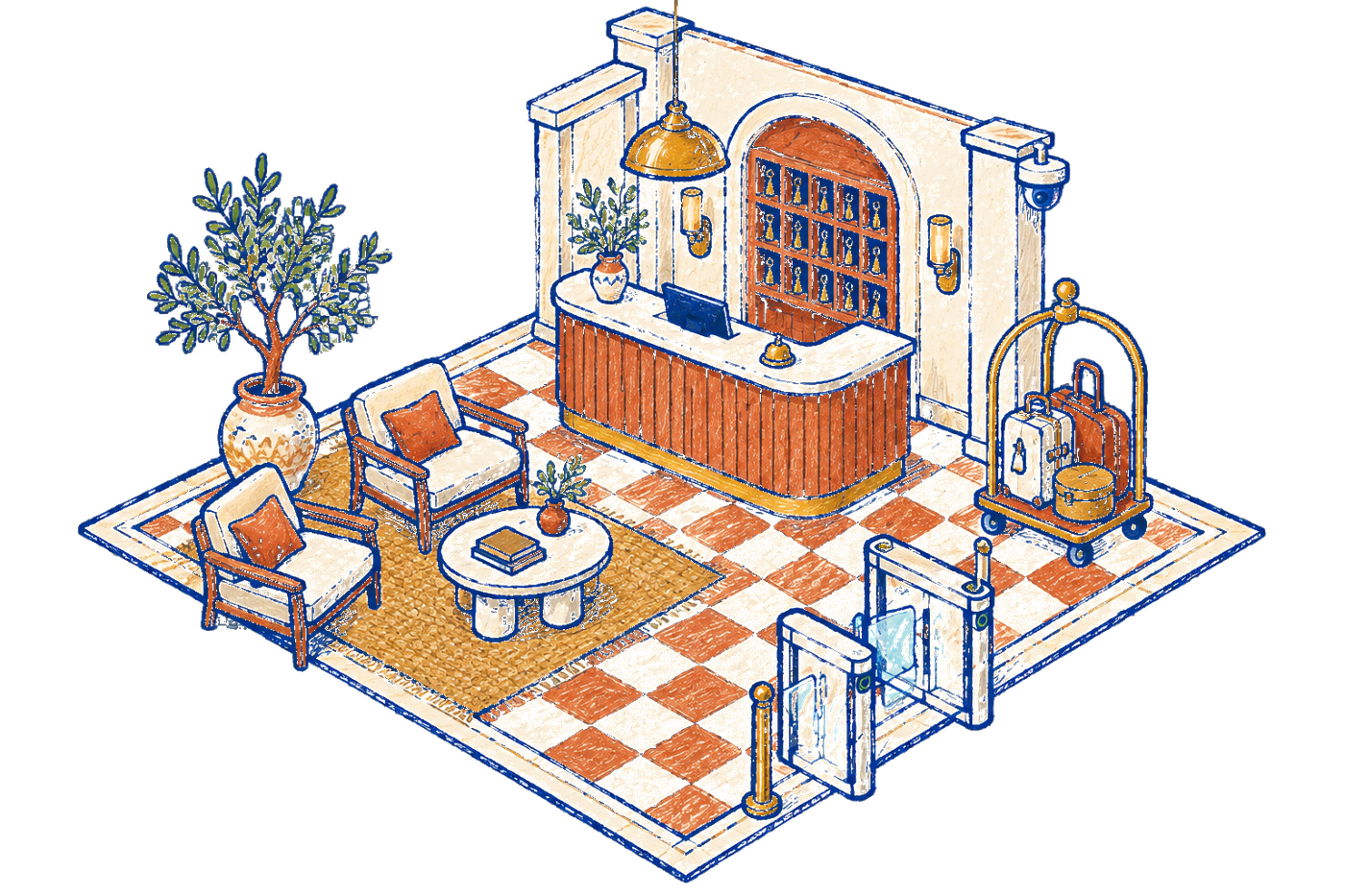
Notice the queue before the guest has to mention it.
In hotels and restaurants, the value lay in unobtrusive signals: lobby flow, service bottlenecks, occupancy patterns and better staff allocation. The framing stayed grounded in operations—not novelty.
 lobby flow · clear
07 · FIELD PROOF · MANYAVAR
A proposition became numbers a retail team could act on.
A Manyavar pilot translated live store movement into a compact operational story. The recorded sample showed how external footfall, store entry, dwell and visit patterns could sit together in one decision layer.
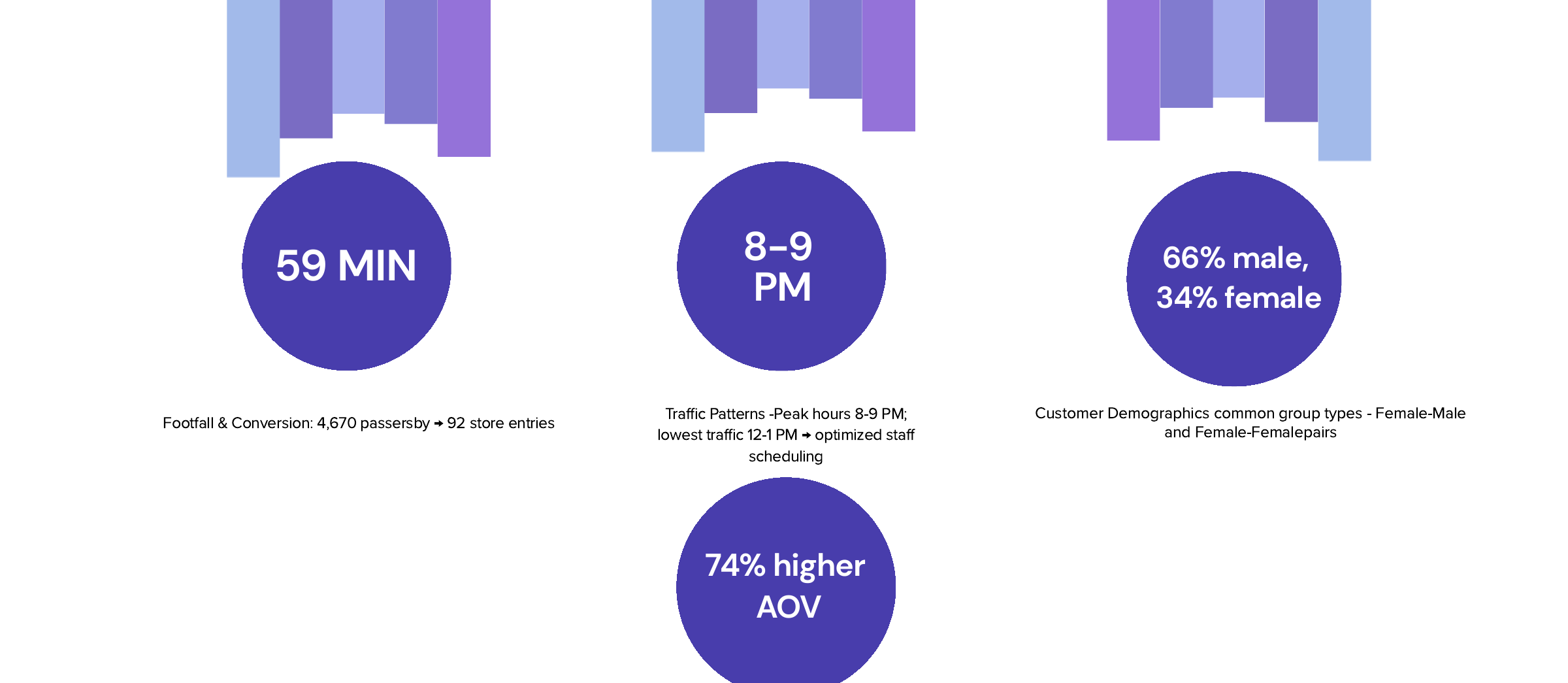
Pilot figures reproduced from the project deck; presented as an observed snapshot, not a universal benchmark.
08 · FROM ANALYSIS TO A SALES STORY
I gave the product a name, a sequence and a reason to believe.
“Argust” borrowed from the many-eyed giant of Greek myth: a memorable shorthand for distributed vision. Potential-client conversations shifted the proposition away from model specifications and toward questions buyers could act on: queue pressure, zone performance, staffing, layout and conversion.
- 01Coin the name and define the promise
- 02Prototype the experience and reporting layer
- 03Pitch, listen and refine the commercial case
- 04Direct the GITEX Dubai 2024 product story
09 · THE BIGGER PICTURE
A city is a thousand small decisions in motion.
Argust began with a simple strategic move: make existing infrastructure more useful. The work turned research, features and field conversations into a legible product—one that could see patterns without losing sight of the people inside them.