02.
People Matters
Digital transformation across four regional HR-media platforms
fig. 02 — Bruegel, Netherlandish Proverbs (detail)
A website and CMS brief that became a year-long digital transformation across four regional HR-media platforms.
- Mandate
- Find the operational problem beneath the redesign brief
- Ownership
- Business analysis, roadmap, delivery, QA and launch
- Scale
- 10–12 teams · 4 regions · 10 developers
01 · the real problem
Too many tools.
Not enough flow.
People Matters had multiple platforms serving the same purpose across teams. The overlap created fragmented data, duplicated work and friction between marketing, sales, finance, content, editorial and events.
What looked like a website refresh was really an operating-system problem—and it needed business analysis before design or code.
start with the system, not the screen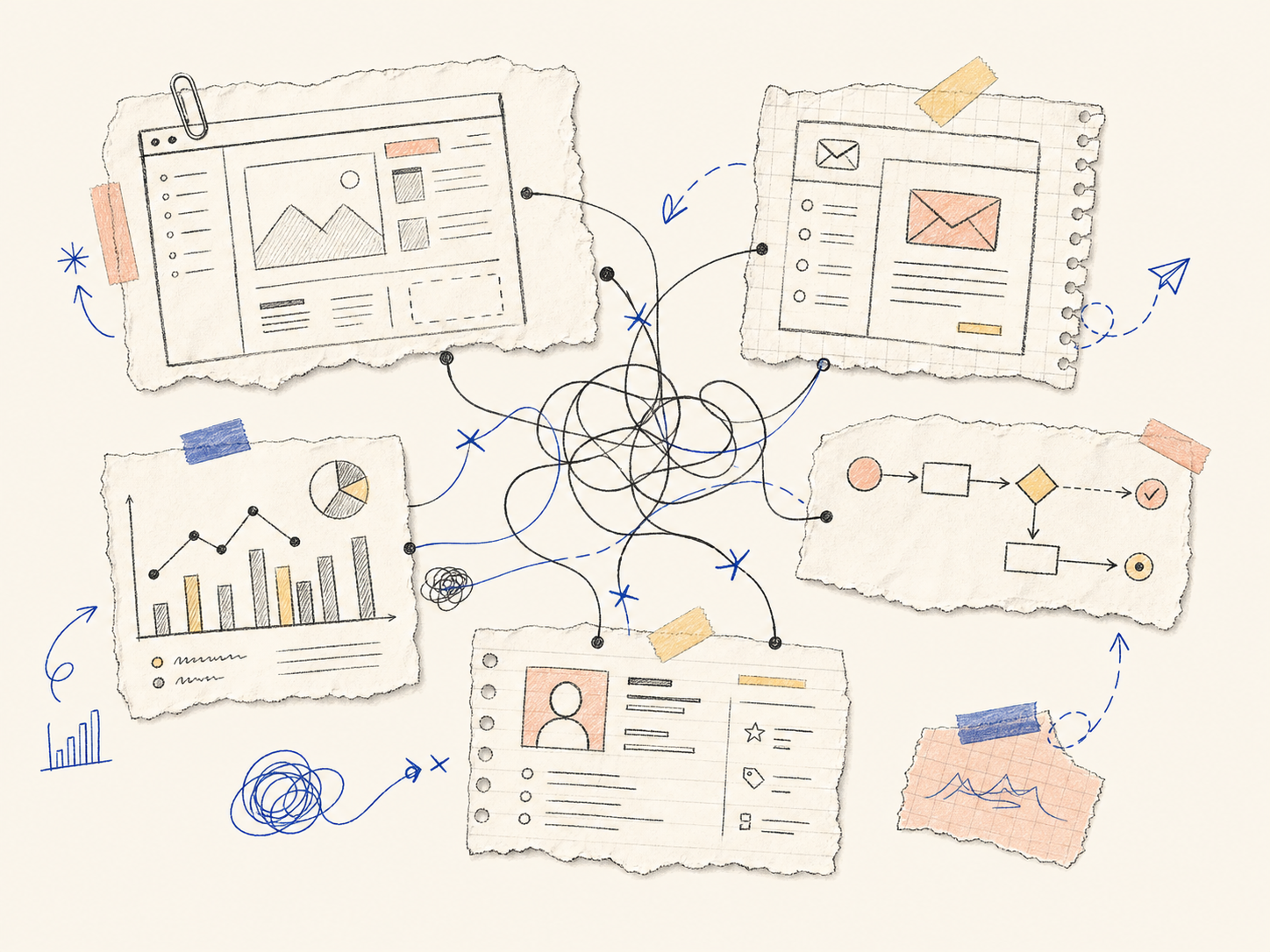
02 · listening before building
Map the friction.
Then make the roadmap.
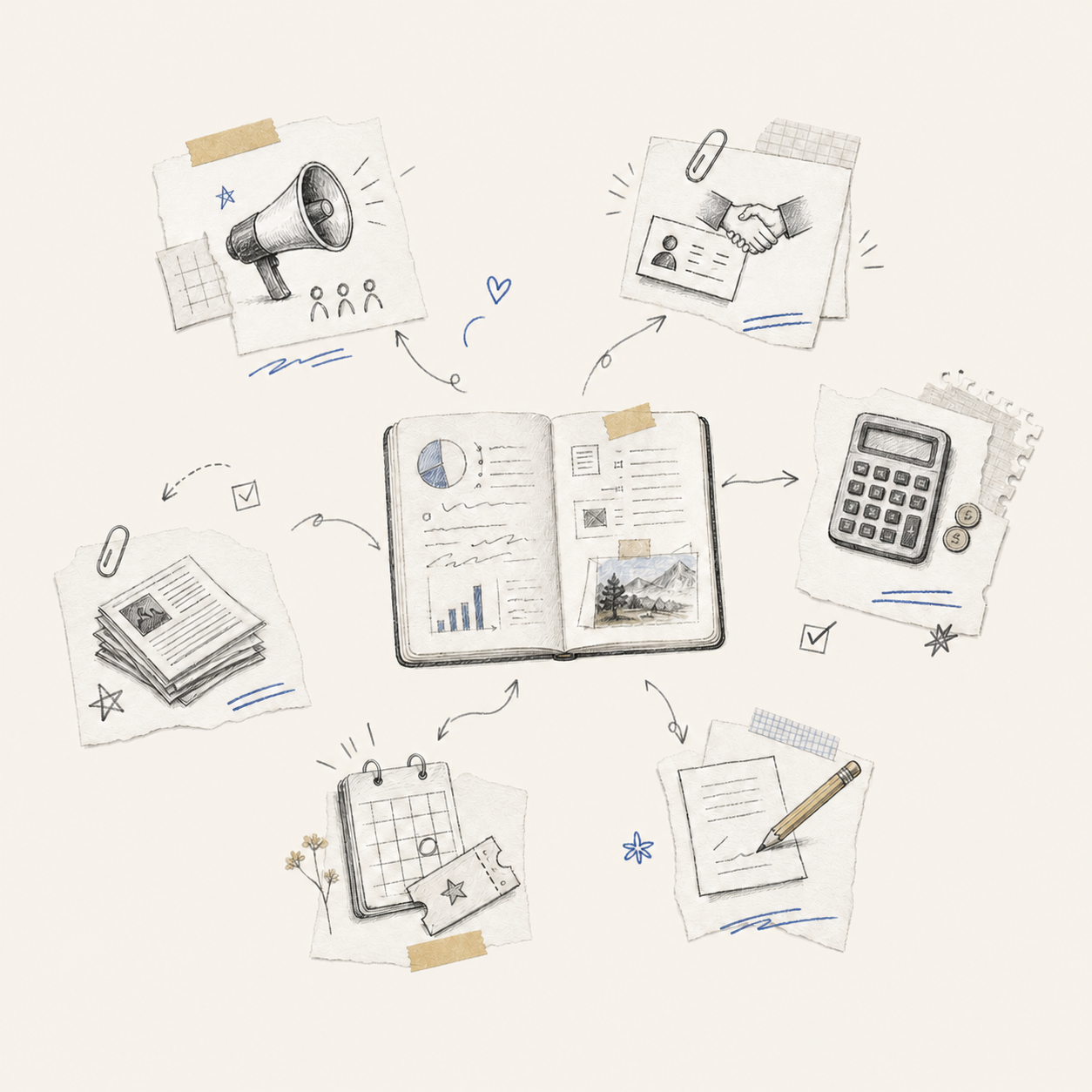
As Business Analyst and Lead Project Manager, I ran discovery across 10–12 teams to understand how work moved, where it stalled, and which tools could be consolidated.
I compared competitive platforms, translated the findings into a phased strategy, and aligned People Matters and Mainavi stakeholders before implementation began.
03 · the shared foundation
Four regions.
One connected CMS.
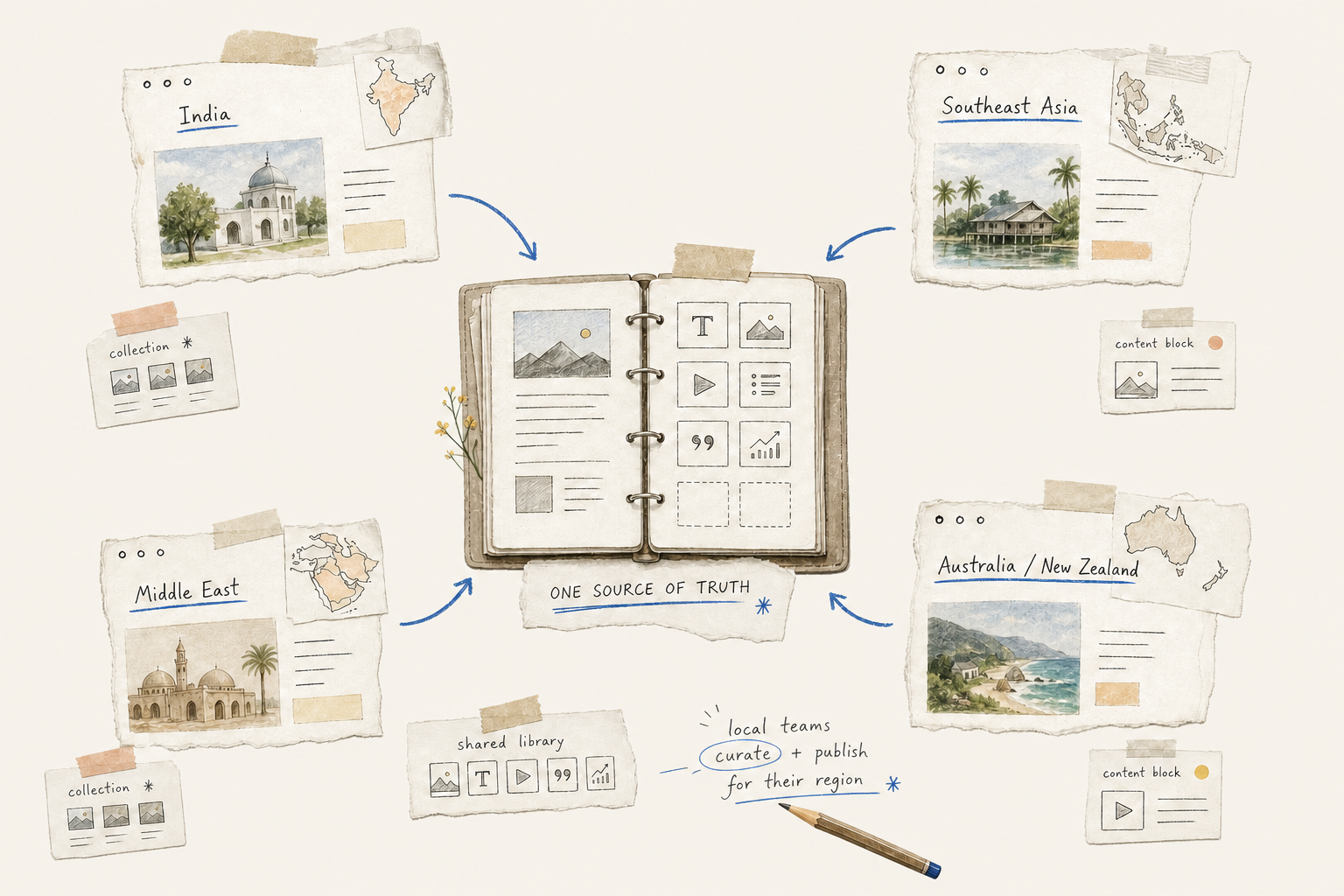
India, SEA, Middle East and ANZ gained a shared publishing foundation while retaining their own regional content, campaigns and controls.
4regional sites
36–48pages per domain
10developers led
5–6months · Phase I
One shared CMS, not four separate systems
Regional control stayed local while architecture, components and governance became shared.
Phase the transformation
Ship the publishing foundation first; define personalisation, data and operations as transparent next stages.
04 · what I led
From strategy
through launch.
I led the complete first phase independently: roadmap, implementation, QA, SEO coordination, deployment and launch across all four sites, while managing a team of ten developers.
From Phase II’s email-template builder onward, a junior project manager supported execution and testing while I continued to lead the project direction.
- Business and technical analysis
- CMS architecture and regional controls
- Team leadership, QA and deployment
- Stakeholder planning with People Matters + Mainavi
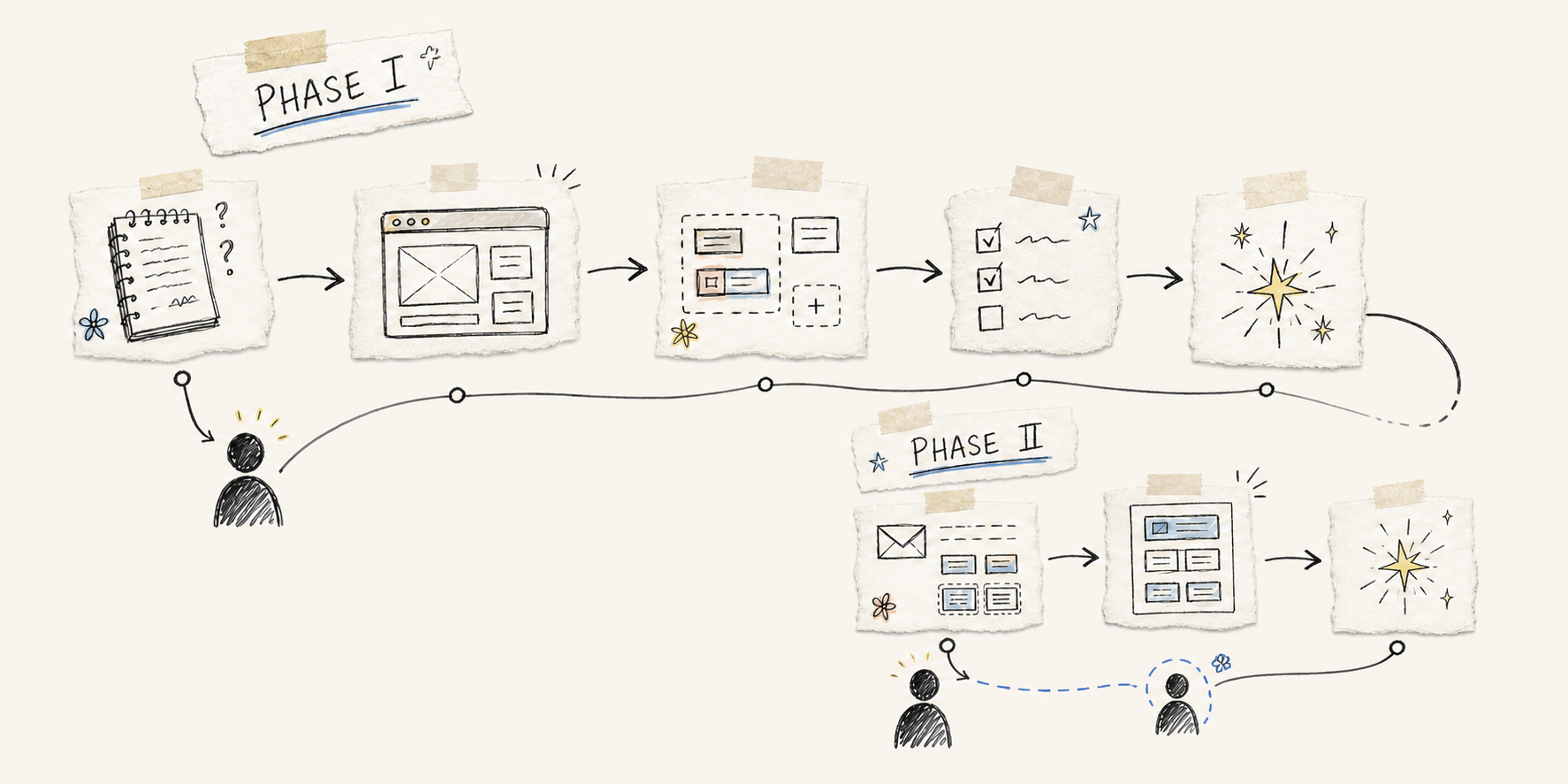
05 · the transformation roadmap
One programme.
Three honest states.
The roadmap separates what launched from what was defined next, so the scale of the strategy is visible without presenting planned work as shipped work.
Four regional sites + shared CMS
- Regional publishing controls
- Reusable page system
- QA, SEO, deployment and launch
Audience + communication layer
- Premium content and subscriptions
- Email builder and channel journeys
- Analytics, events and connected reporting
CRM + app ecosystem
- Zoho operations and automation
- Personalised mobile experience
- Lifecycle, engagement and support tools
“Defined next” and “longer-term system” describe the transformation scope agreed with the client—not a claim that every roadmap item shipped.
06 · launch + outcome
All four sites,
live.
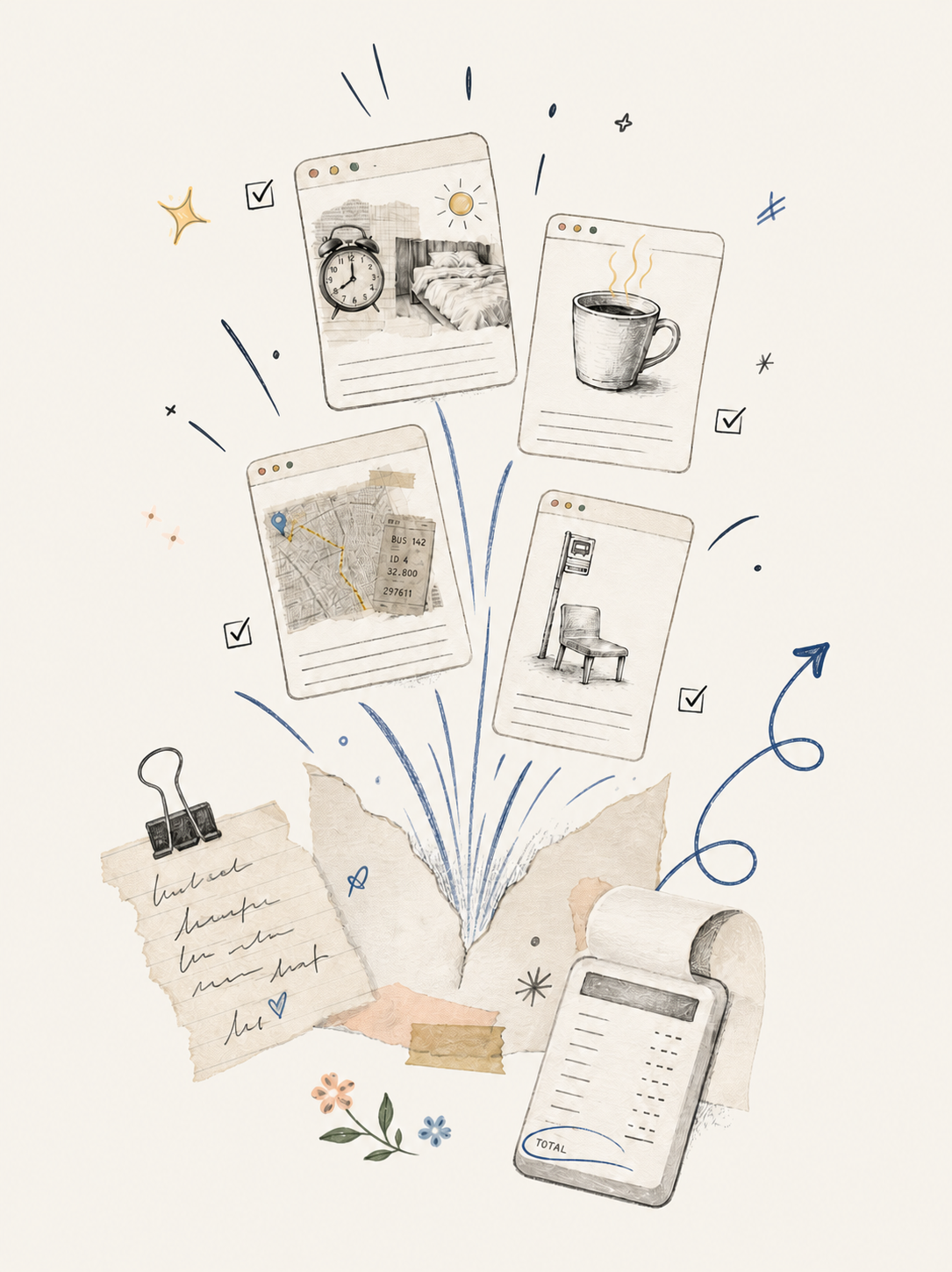
All regional websites launched successfully. The transformation model projected that consolidating duplicated tooling and manual handoffs could reduce annual operating costs by an estimated ₹36–40 lakh.
“The website looks fresh and classy. A super effort—and a milestone made possible by the team’s collaboration.”
People Matters + Mainavi launch feedback
I met Mainavi stakeholder Kento Kikawa at two Delhi conferences to plan the phases and align the launch strategy.